




An airline skilled a 40-minute floor cease after a preventive upkeep job slipped via the cracks, and a defective butterfly valve triggered a false fireplace alarm. The ensuing evacuation disrupted crews, delayed flights, and affected passengers all through the operation.
Throughout Eptura’s webinar “Breaking the Cycle of Reactive Upkeep”, Fred Kraus, Vice President of Product Administration, shared this instance to point out how shortly a seemingly minor upkeep problem can ripple throughout a whole operation and why organizations create bigger dangers when groups lack the visibility to determine, prioritize, and handle issues earlier than they have an effect on operations.
As Fred defined, “It actually wasn’t a failure of effort. It was only a failure of visibility.”
Key takeaways
- Small upkeep points can create bigger operational disruptions when groups lack visibility into asset situation, upkeep historical past, and rising dangers
- Upkeep information helps greater than reliability. It may possibly enhance labor planning, stock administration, capital planning, compliance, and budgeting
- Organizations construct extra proactive operations after they join asset, upkeep, and operational information right into a shared supply of fact
Breaking this cycle of reactive upkeep begins with understanding how larger operational visibility helps groups make smarter choices earlier than issues turn out to be emergencies.
Small upkeep gaps can create enterprise-wide disruption
Upkeep groups hardly ever get up to a significant operational occasion. Extra usually, it begins with a collection of smaller choices. Technicians delay an inspection, supervisors defer a restore, or operators overlook an early warning signal as a result of extra pressing work calls for consideration. Every part may appear affordable within the second, significantly when groups face staffing constraints, funds pressures, or a rising backlog of labor.
Over time, nevertheless, small gaps accumulate. Within the airline story Fred shared, for instance, a single missed upkeep exercise in the end contributed to an evacuation, delayed flights, and broader impacts throughout the operation.
And the implications of those disruptions usually lengthen properly past upkeep budgets. Downtime can have an effect on manufacturing schedules, service supply, buyer satisfaction, labor prices, and security. As points unfold throughout departments, leaders should divert assets away from deliberate work and towards pressing response efforts.
Fred summarized the problem succinctly: “The later issues are recognized, the costlier they turn out to be.”
Many upkeep leaders reply by increasing preventive upkeep applications, rising inspections, or creating extra oversight processes. These efforts may also help scale back danger, however they don’t mechanically present the visibility groups want to know which points deserve speedy consideration and which belongings require intervention first.
Groups that need to persistently scale back reactive work must create higher visibility into rising dangers. Meaning serving to upkeep groups determine points earlier, perceive potential operational impacts, and make knowledgeable choices earlier than routine upkeep considerations turn out to be enterprise disruptions.
Why visibility issues greater than effort for upkeep
When upkeep leaders describe their every day challenges, the dialog usually revolves round restricted assets, staffing shortages, and competing priorities. These pressures are actual, however our webinar highlighted one other problem that steadily retains groups caught in firefighting mode: fragmented data.
Upkeep groups usually retailer asset information in a single system, handle work orders in one other, and observe stock in a 3rd. Facility administration groups could keep separate documentation for compliance necessities, whereas finance groups handle capital planning via totally totally different processes. Every division has priceless data, however little or no context exists when data stays disconnected.
As organizations unfold essential data throughout a number of programs and workflows, upkeep groups spend extra time trying to find solutions and fewer time addressing dangers.
So, technicians could not have quick access to asset historical past whereas performing work. Managers could wrestle to determine recurring failures throughout a number of places. Executives could discover it obscure how upkeep choices have an effect on bigger operational objectives.
Related data creates operational readability
Lucas Ryder, Regional Vice President for Eptura Asset, famous in the course of the webinar that many organizations try to maneuver past reactive work however wrestle to realize the visibility wanted to help that transition.
“I feel it’s actually frequent for us to listen to that groups are caught on this firefighting mode, simply being reactive, making an attempt to only get to the purpose the place they’re even being extra proactive,” he stated.
Visibility creates context. When upkeep groups can see asset situation, work historical past, working tendencies, and useful resource necessities collectively, they will prioritize work extra successfully and allocate assets the place they may produce the best operational impression.
That is one purpose built-in operations has turn out to be such an vital focus. Related data helps organizations make choices with larger confidence as a result of everybody works from a extra full image of what’s taking place throughout the enterprise.
How higher asset information results in higher choices
Upkeep expertise conversations usually highlight superior analytics, however lasting reliability begins with a basis of standardized, high-quality operational information.
By connecting belongings, amenities, and groups round a single operational report, organizations allow proactive upkeep, clearer prioritization, and constant execution, decreasing downtime and audit danger throughout each website and shift.
To make knowledgeable choices, upkeep leaders want to know how belongings are performing, which work technicians have accomplished, what inspections stay excellent, and the place working circumstances are altering. With out that basis, figuring out tendencies and prioritizing dangers turns into considerably harder.
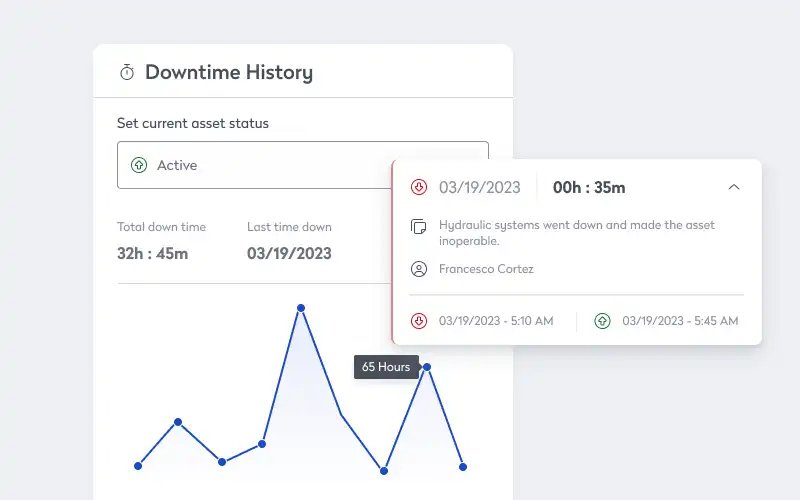
Through the webinar, Fred mentioned how organizations more and more depend on data from linked gear, constructing automation programs, situation monitoring applied sciences, and different operational sources. These information streams give upkeep groups earlier perception into asset efficiency and rising points.
When groups achieve entry to raised data, they will spot growing points earlier, schedule work earlier than belongings fail, and focus assets on the issues probably to have an effect on operations. Upkeep actions turn out to be extra focused as a result of groups can align work with precise asset circumstances as an alternative of relying completely on fastened schedules.
“The groups that catch points earlier than they actually turn out to be issues, these are the groups that keep answerable for their asset administration method,” Lucas defined.
Fred echoed this concept when he stated, “Robust asset administration isn’t about extra work. It’s about seeing sooner and prioritizing what really issues.”
That perspective shifts the dialog away from upkeep quantity and towards upkeep high quality. Excessive-performing organizations don’t merely full extra work orders. They use information to make higher choices about the place technicians ought to spend their time, which belongings require consideration, and the way upkeep actions help broader operational objectives.
As organizations enhance their visibility into asset efficiency, they create alternatives to cut back surprises, enhance planning, and strengthen reliability throughout the whole operation.
How upkeep information helps the whole operation
One of many many actionable insights from the webinar centered on the broader worth of upkeep information. Organizations usually view upkeep data as a instrument for scheduling repairs and managing work orders, however the identical data can help choices all through the enterprise.
Upkeep information may also help leaders:
- Plan and allocate labor extra successfully
- Enhance stock and buying choices
- Help capital planning and budgeting
- Strengthen compliance and audit readiness
These advantages spotlight an vital shift in how organizations take into consideration upkeep. Each work order, inspection, and restore generates data that may help enterprise choices far past the upkeep division. When groups join that data throughout operations, they achieve a greater understanding of the place to take a position assets, learn how to handle danger, and which actions can have the best impression.
Help workforce planning and stock choices
Leaders can use upkeep historical past to know how technicians spend their time, which belongings eat probably the most labor, and the place staffing constraints create operational danger. These insights help workforce planning and assist organizations allocate labor extra successfully throughout amenities and asset portfolios.
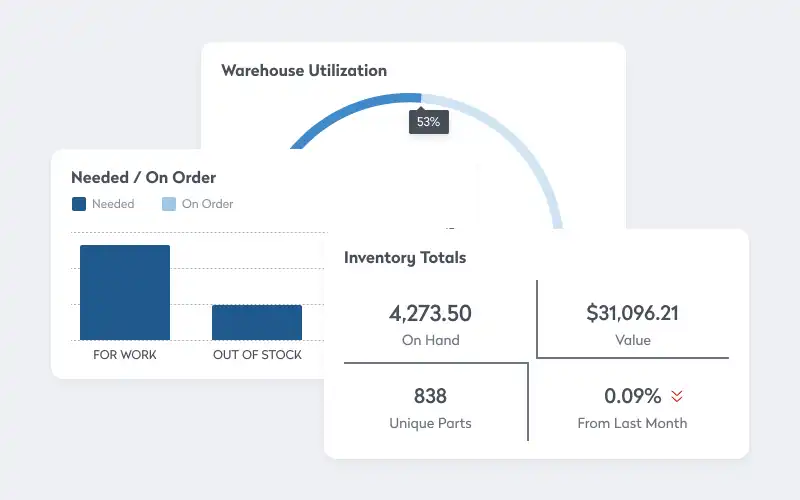
Operations and upkeep groups may also use asset efficiency tendencies to enhance stock administration. Understanding which elements fail most steadily and which belongings require specialised elements helps groups make extra knowledgeable buying choices and keep away from pointless stock prices.
Construct a stronger case for capital investments
Capital planning represents one other main alternative. Facility and operations leaders can evaluate historic upkeep prices in opposition to asset efficiency to find out when repairing gear not makes monetary sense. Higher visibility into asset lifecycle prices helps stronger budgeting choices and extra strategic funding planning.
Strengthen compliance and operational planning
Upkeep information additionally play an vital position in compliance and audit readiness. Organizations that keep correct information of inspections, repairs, and preventive upkeep actions can reply extra shortly to audits, reveal compliance extra successfully, and scale back administrative workloads.
Through the webinar, Fred defined how organizations can use asset information to optimize labor, stock, and planning choices along with upkeep actions. That broader perspective displays the rising position upkeep performs in operational technique.
Each upkeep resolution generates data. Organizations that join and use that data successfully achieve insights that help planning, budgeting, compliance, and long-term efficiency enhancements.
Create alternatives for extra proactive operations
Many organizations nonetheless depend on spreadsheets, paper documentation, upkeep manuals, and disconnected functions to handle essential asset data. As groups spend time gathering, validating, and organizing information, they’ve much less time to investigate tendencies and act on rising dangers.
Organizations that set up correct asset information, constant upkeep histories, and linked operational data create new alternatives to enhance decision-making. Analytics, automation, and AI can then assist upkeep groups discover data quicker, determine patterns extra effectively, and focus their consideration the place it is going to have the best impression.
Breaking the firefighting cycle begins with smarter choices
Related data helps groups spot points earlier, prioritize work extra successfully, and perceive how upkeep choices have an effect on the broader enterprise. The aim, nevertheless, will not be merely to cut back downtime. Organizations need to enhance planning, strengthen reliability, help compliance, allocate assets extra successfully, and make smarter operational choices throughout the asset lifecycle.
To find out how Fred and Lucas advocate bettering visibility, decreasing reactive work, and constructing a stronger basis for proactive operations, watch the webinar on demand.
Regularly Requested Questions

By Mike Petrusky
As Director of Podcasts at Eptura, Mike Petrusky hosts each the Office Innovator Podcast and the Asset Champion Podcast, sharing thought management with CRE, FM, and IT leaders within the digital and hybrid office. Mike has produced greater than 500 podcast episodes listened to in over 111 international locations. As an in-demand public speaker, Mike engages audiences at quite a few business occasions annually, together with Worldwide Facility Administration Affiliation and CoreNet conferences, specializing in the human component of office and facility administration.