


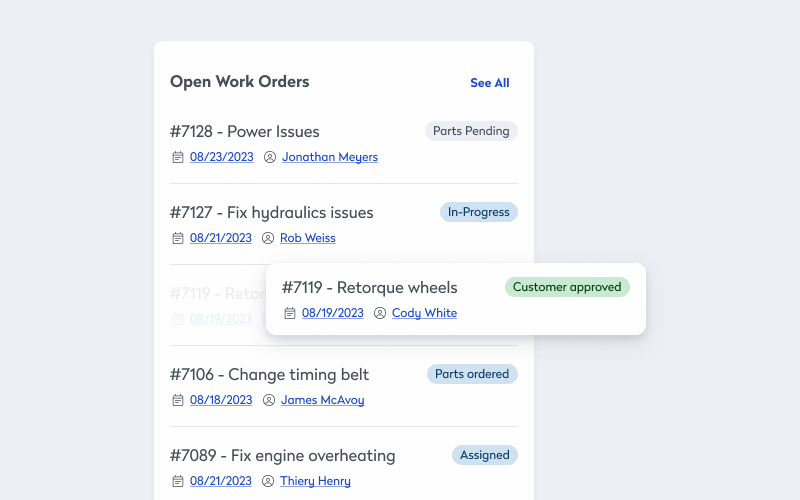
Upkeep groups can full the identical kinds of work throughout comparable property but produce very completely different outcomes. One location might reply shortly, full preventive upkeep on schedule, and keep reliable asset data. One other might take care of missed requests, shifting priorities, repeat visits, and work orders that stay open lengthy after technicians end repairs.
The distinction typically comes all the way down to workflow. A upkeep workflow offers requests a constant path by means of consumption, prioritization, planning, execution, documentation, and assessment. When organizations join each stage by means of a shared operational report, upkeep groups acquire the context they should full work constantly whereas leaders acquire a extra dependable view of efficiency, price, and threat throughout amenities.
Key takeaways
- Consistency creates higher choices: Standardized upkeep workflows guarantee requests, inspections, work orders, and documentation contribute to a shared operational report that leaders can use to make knowledgeable choices
- Related data improves execution: When planners and technicians can entry asset historical past, upkeep data, inspections, stock, and schedules in a single place, they spend much less time looking for data and extra time finishing work
- Upkeep information turns into extra precious over time: Each accomplished work order strengthens the operational report, serving to organizations establish patterns, scale back reactive work, enhance planning, and assist future asset choices
Fashionable upkeep applied sciences can strengthen that course of with out taking choices away from the individuals chargeable for the work. Workflow automation reduces delays, cellular instruments join area and workplace groups, and AI-backed workflows helps planners discover solutions and establish subsequent steps. Collectively, these capabilities enable upkeep groups to spend much less time looking for data and extra time appearing on it.
What does a profitable upkeep workflow appear like?
A profitable upkeep workflow offers everybody a transparent understanding of what occurs subsequent. Requesters know tips on how to report a problem, supervisors apply constant priorities, planners assemble the data and sources technicians want, and technicians seize outcomes as a part of finishing the job. Managers can use the ensuing shared operational report to know workload, recurring failures, prices, asset efficiency, and rising dangers throughout amenities.
The workflow covers greater than a piece order. A piece order data and authorizes a upkeep process, whereas the workflow defines how that process strikes by means of the group. Upkeep administration supplies the broader technique for balancing preventive and reactive work, controlling prices, and defending asset efficiency. The workflow turns that technique into repeatable every day execution.
Good workflows additionally join upkeep exercise to bigger organizational outcomes.
Constant consumption and prioritization assist groups direct labor towards work with the best operational affect. Higher planning can scale back delays and repeat visits. Full inspection and closeout data assist audits, funds choices, failure evaluation, and long-term asset planning. Throughout a number of amenities, a shared course of additionally helps leaders examine efficiency and keep requirements as operations develop extra complicated.
Widespread workflow errors that create inconsistency
Organizations typically uncover workflow issues when backlogs begin rising, preventive upkeep completion charges decline, or technicians spend extra time looking for data than performing work.
Widespread sources of issues embrace:
- Accepting requests by means of unofficial channels: Emails, calls, direct messages, and hallway conversations make it tough to verify that somebody recorded, prioritized, and assigned each request
- Making use of priorities inconsistently: When departments outline “pressing” otherwise, routine points can displace work that impacts security, compliance, manufacturing, or important companies
- Beginning work with out sufficient data: Incomplete asset data, lacking procedures, and unsure elements availability can ship technicians to jobs they can’t end
- Separating inspections from upkeep: Inspection findings that stay in spreadsheets or one other system can’t present planners and technicians with full operational context
- Treating documentation as administrative work: Minimal or delayed notes depart the group with out the data wanted to assist future repairs, audits, and planning
- Preserving upkeep and asset data disconnected: Separate data make it more durable to attach recurring work, asset situation, stock, warranties, and lifecycle prices
Organizations can handle these issues by standardizing how work enters the upkeep course of, giving planners and technicians entry to linked data, and making documentation a part of execution.
Standardize how work enters and strikes by means of upkeep
Take into account a producing facility the place operators report some issues by e mail, supervisors name technicians straight for pressing repairs, and workers submit different requests by means of a upkeep system. Supervisors should piece collectively the workload earlier than they’ll determine what to assign. Technicians might start work and not using a formal report, whereas lower-profile requests disappear till somebody asks about them once more.
A centralized request course of offers groups one place to seize the issue, affected asset or location, operational affect, and related supporting particulars. Configurable kinds and normal classes assist supervisors examine requests with out deciphering a unique degree of element each time. Automated work order creation can transfer permitted requests into the upkeep queue with out forcing groups to enter the identical data twice.
Preventive upkeep duties, inspection findings, sensor alerts, and repair requests might enter the workflow by means of completely different triggers, however they need to contribute to at least one operational view. Workflow automation can route requests by means of repeatable approvals and escalation paths, whereas work order controls assist groups generate, assign, observe, and shut work in a single system. Related processes enable groups to coordinate upkeep and inspections as an alternative of manually rebuilding the story behind every asset or request.
Prioritize work in accordance with threat and operational affect
Clear precedence definitions assist upkeep groups defend important operations with out labeling each request pressing. Efficient work order processes depend upon these priorities remaining constant throughout groups and amenities. Supervisors can assess security implications, compliance deadlines, asset criticality, manufacturing affect, service disruption, and the probability that the issue will worsen. The ensuing precedence can then information response expectations, assignments, and escalation guidelines.
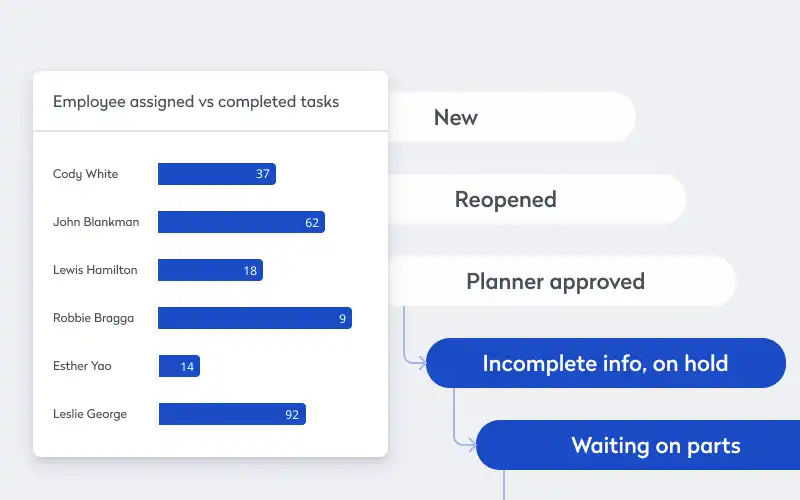
For instance, a leaking sink in an workplace and a leak close to delicate manufacturing gear might share the identical fundamental fault description. The second challenge carries a unique operational threat and requires a unique response. Constant standards assist the staff make that distinction primarily based on enterprise affect fairly than who submitted the request or which supervisor reviewed it.
Use AI to maneuver from inquiries to motion sooner
As upkeep operations turn into extra complicated, planners want sooner methods to know what deserves consideration first. Reviewing backlogs, asset histories, upkeep schedules, inspection outcomes, and open work orders manually can sluggish decision-making and make it more durable to establish rising dangers.
AI-assisted evaluation will help groups transfer from inquiries to motion sooner by bringing these sources collectively in a single operational view. As a substitute of spending time constructing studies or looking out by means of a number of techniques, planners can shortly floor patterns, examine recurring failures, perceive upkeep historical past, and establish the following steps that can have the best operational affect.
In “’The Actual Promise of Operational AI’ – Belief, Accountability and Understanding AI for the Constructed Setting”, Daniel Stonecipher, Impartial Advisor for AI Infrastructure & Constructed Setting Platforms, explains why AI’s worth comes from bettering operational choices fairly than changing human experience.
“The prediction is just one enter. The operational determination requires context, and context is the place facility professionals create worth.”
That distinction issues when organizations consider AI-powered upkeep instruments. By bringing collectively work orders, upkeep schedules, asset historical past, inspections, and stock data, AI will help groups establish patterns and floor related data sooner. Upkeep professionals stay chargeable for evaluating suggestions inside the context of enterprise priorities, operational constraints, and threat tolerance, however they’ll spend much less time gathering data and extra time appearing on it.
These capabilities turn into most dear once they can draw from linked work orders, asset historical past, inspections, stock data, and upkeep schedules. That shared operational context helps planners perceive why work stays overdue, whether or not comparable points are rising elsewhere, and the way present choices might have an effect on future upkeep efficiency. Upkeep professionals nonetheless make the choice, however they spend much less time gathering data and extra time appearing on it.
Give technicians what they want earlier than work begins
Robust planning reduces avoidable delays after a technician accepts a piece order. Earlier than scheduling the job, planners ought to affirm the affected asset, required abilities, security procedures, doubtless elements, instruments, permits, service historical past, inspection outcomes, and operational restrictions. Reusable work order templates could make that data constant for recurring duties with out forcing planners to rebuild directions every time.
Think about a amenities staff making ready to service an air-handling unit in an occupied hospital. The planner wants to know which areas the unit serves, whether or not the staff should coordinate an outage, which elements the technician wants, what earlier inspections revealed, and the way technicians addressed earlier failures. Sending somebody with solely “test HVAC challenge” within the work order shifts planning into the sector and will increase the probability of a second go to.
Related asset data deliver upkeep historical past, inspections, documentation, stock, warranties, and gear relationships right into a single operational view. Full asset historical past permits planners to see what failed beforehand, how technicians repaired it, which elements they used, and whether or not comparable points have appeared elsewhere. Asset hierarchies add context by connecting a bit of apparatus to its items, subunits, and elements, serving to groups goal work and replace the proper report.
Elements visibility helps the identical consequence. Planners have to know whether or not the group has the mandatory stock and the place technicians can discover it. Connecting stock to work orders helps groups put together supplies earlier than work begins, whereas half kitting can group the elements required for recurring jobs. These capabilities scale back search time and decrease the chance {that a} technician reaches the asset with out one thing important.
Guarantee particulars can even change how the staff approaches the job. When protection data seems inside the upkeep workflow, planners can test whether or not a restore qualifies earlier than assigning inside labor or buying elements. That visibility helps price management and offers leaders higher data for repair-versus-replace choices throughout the asset lifecycle.
Establish dangers earlier than they turn into disruptive failures
Planning improves when groups can acknowledge deteriorating efficiency earlier than an asset fails. Upkeep histories, inspection outcomes, situation information, and recurring fault patterns will help planners transfer work into the schedule whereas they nonetheless have time to coordinate labor, elements, and operational entry.
AI and machine studying will help organizations analyze upkeep exercise, asset situation, and repair developments to establish dangers earlier and assist upkeep planning.
A threat sign nonetheless wants a workflow behind it. The staff should consider its significance, examine it with different priorities, choose an applicable response, schedule the work, and doc the outcome. Connecting threat detection to the identical course of used for preventive and corrective upkeep helps organizations scale back reactive work with out creating one other disconnected stream of alerts.
Assist constant execution within the area
Detailed plans present restricted worth if technicians can’t entry them the place the work occurs. Upkeep groups work in mechanical rooms, manufacturing areas, distant websites, and different areas the place returning to a desktop provides time. Cellular capabilities can deliver work orders, asset histories, procedures, inspection necessities, and elements data into the sector.
Offline entry helps technicians proceed working in areas with restricted connectivity, whereas synchronization retains the operational report present when service returns. Actual-time visibility into elements availability can even assist technicians find stock throughout warehouses earlier than they depart a job website or make one other journey.
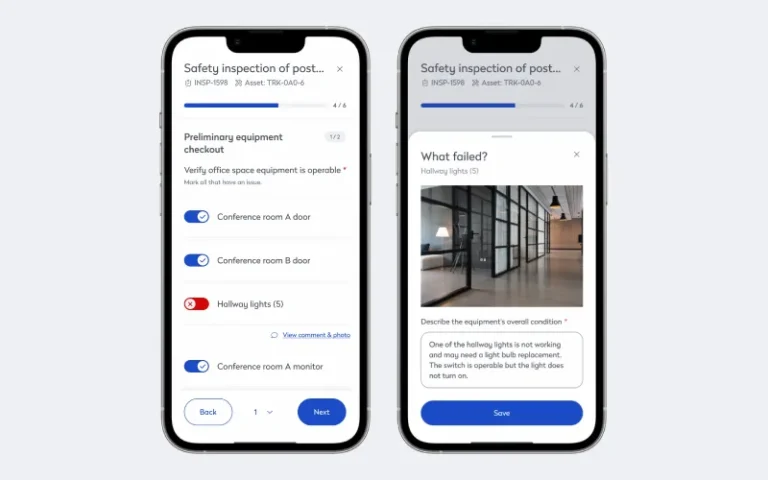
Digital checklists and inspection kinds present one other layer of consistency. Technicians can observe required steps, report readings, doc compliance, and flag follow-up work inside the similar course of. Inspection outcomes then turn into a part of the identical operational report as upkeep exercise as an alternative of remaining in separate techniques or spreadsheets.
Barcode workflows can even assist technicians establish property, affiliate work with the proper gear, and log elements in opposition to every job. Along with cellular entry and standardized inspections, these instruments assist area groups keep correct data whereas work occurs, bettering visibility for planners, compliance groups, and upkeep leaders.
Make documentation a part of finishing the work
A restore might restore an asset to service, however incomplete documentation prevents the group from studying from that work. Technicians ought to report labor, elements, situation, failure particulars, inspection outcomes, and the motion taken earlier than closing the work order. Pictures, readings, or supporting paperwork can add helpful context when the duty or compliance requirement requires them.
The method must respect area situations. Lengthy kinds and duplicate entry encourage rushed notes or delayed updates on the finish of a shift. Configurable kinds can ask for the data related to the job, whereas cellular entry lets technicians replace standing and data as work progresses.
Voice-powered assist can scale back that administrative burden additional. Technician Copilot preview supplies describe voice-powered process administration that reduces guide enter and interruptions to fieldwork. Quicker documentation can contribute to extra full upkeep data, extra correct work histories, and higher data for the planners who deal with the following restore.
Every accomplished job ought to enhance the shared operational report. When the following technician opens the asset historical past, the report ought to present what occurred, what the sooner technician discovered, which elements the job required, and whether or not the situation factors to a bigger reliability challenge.
Flip accomplished work into higher enterprise choices
A constant upkeep workflow creates a reliable report of demand, execution, and outcomes. Upkeep leaders can use that data to look at completion occasions, schedule compliance, preventive upkeep completion, backlog patterns, repeat failures, labor use, elements consumption, and inspection outcomes. Every measure ought to reply an operational query fairly than fill one other dashboard.

If a number of equivalent property expertise repeat failures, leaders want sufficient element to match signs, causes, repairs, elements, and working situations. The sample might level to a upkeep process, working follow, part challenge, or alternative determination that requires consideration. With out constant documentation and an entire asset historical past, every failure seems to be like an remoted occasion.
Organizations can create extra worth by connecting upkeep data with monetary, operational, and portfolio information. Information connectors can deliver asset efficiency and upkeep data into enterprise analytics environments, the place leaders can examine it with broader enterprise metrics with out interrupting every day upkeep workflows.
That enterprise view will help leaders perceive how upkeep efficiency impacts working prices, capital plans, service reliability, compliance publicity, and asset lifecycle choices. AI-assisted entry can then assist planners and supervisors examine the operational report, establish patterns, and transfer from query to motion sooner whereas retaining duty for the selections.
Eptura in motion: Creating consistency for stronger upkeep outcomes
The worth of a constant workflow turns into clearer when organizations join upkeep exercise, asset data, inspections, and documentation right into a shared operational report. The Metropolis of West Kelowna, for instance, achieved a 20% enhance in upkeep productiveness by bettering how upkeep work, asset data, and operational processes have been managed. When groups spend much less time looking for data, coordinating work, and recreating context, they’ll spend extra time executing deliberate work and bettering asset efficiency.
To learn the way the Metropolis of West Kelowna improved upkeep productiveness, elevated visibility into upkeep operations, and created extra constant processes throughout its asset administration program, learn the full buyer success story.
Often Requested Questions

By Jonathan Davis
As a content material creator at Eptura, Jonathan Davis covers asset administration, upkeep software program, and SaaS options, delivering thought management with actionable insights throughout industries comparable to fleet, manufacturing, healthcare, and hospitality. Jonathan’s writing focuses on matters to assist enterprises optimize their operations, together with constructing lifecycle administration, digital twins, BIM for facility administration, and preventive and predictive upkeep methods. With a grasp’s diploma in journalism and a various background that features writing textbooks, enhancing online game dialogue, and instructing English as a overseas language, Jonathan brings a flexible perspective to his content material creation.