



Producers have extra causes to concentrate on effectivity than ever. In line with the July 2026 ISM Manufacturing PMI report, U.S. manufacturing exercise expanded for the sixth consecutive month, with manufacturing, new orders, and employment all displaying development. As demand will increase, each hour of manufacturing capability turns into extra priceless.
For upkeep and reliability leaders, that intensifies a well-known problem. Each facility has extra upkeep work than obtainable labor, extra enchancment alternatives than obtainable finances, and extra competing priorities than any workforce can deal with directly.
The important thing query, then, is the place it’s best to focus these restricted sources to generate the best operational impression.
Key takeaways
- Manufacturing effectivity begins with prioritization: Upkeep groups create the best worth after they focus sources on property which have the biggest impression on manufacturing, security, compliance, and operational continuity
- Downtime prices lengthen past restore bills: Misplaced manufacturing capability, extra time, high quality points, and delayed shipments usually create better monetary impression than the restore itself
- Upkeep information helps justify funding selections: Asset efficiency historical past, downtime traits, and criticality assessments assist upkeep leaders allocate sources and help long-term planning
When upkeep groups establish the property, methods, and processes that create the best downtime threat, they’ll direct labor, spare components, and preventive upkeep efforts the place they are going to have the most important impact on throughput, reliability, and operational efficiency.
How one can concentrate on the property that drive manufacturing
Many producers unintentionally unfold upkeep sources evenly throughout their asset stock. The method feels cheap, but it surely not often improves reliability or operational efficiency.
A manufacturing bottleneck, industrial chiller, packaging line, compressed air system, or main conveyor usually has a far better impression on operations than lower-priority tools. When one among these essential property fails, the implications lengthen past upkeep. Manufacturing slows, schedules slip, extra time will increase, and downstream processes expertise disruption.
Enhancing manufacturing effectivity begins with understanding which property create the best operational penalties after they fail.
Construct an asset criticality framework that displays actual operations
Asset criticality offers a structured approach to consider upkeep priorities. As an alternative of counting on urgency alone, upkeep groups can consider tools primarily based on the potential enterprise impression of failure.
Begin by prioritizing upkeep by enterprise impression. Consider property primarily based on manufacturing impression, security threat, compliance necessities, and monetary penalties reasonably than urgency alone. If you persistently apply the identical standards throughout work orders and upkeep actions, it turns into simpler to direct sources towards work that protects manufacturing and reduces downtime.
A structured criticality evaluation helps you separate tools that straight impacts manufacturing from property that create solely restricted disruption. Earlier than adjusting upkeep schedules or reallocating sources, establish which property create the best operational penalties after they fail by:
- Mapping manufacturing bottlenecks: Establish property that straight constrain throughput and manufacturing output. Focus first on tools the place a failure can cease a complete line, delay shipments, or create downstream disruptions
- Reviewing downtime historical past: Study work orders and upkeep data to seek out property that repeatedly generate unplanned downtime. Recurring failures usually level to alternatives for bigger reliability enhancements
- Evaluating restore dangers: Search for property with lengthy restore instances, specialised labor necessities, or difficult-to-source substitute components. The longer it takes to get better from a failure, the extra vital proactive upkeep turns into
- Accounting for enterprise penalties: Think about security dangers, compliance obligations, buyer commitments, and monetary impacts alongside upkeep prices. The least costly restore doesn’t all the time characterize the bottom threat determination
Criticality assessments and risk-based upkeep prioritization usually reveals {that a} small proportion of property generate many of the operational threat throughout a facility. Use these findings to information work order prioritization, preventive upkeep schedules, and technician assignments.
How one can measure the price of downtime, not simply the price of repairs
The direct value of changing a failed element usually represents solely a fraction of the overall enterprise impression. Unplanned downtime can scale back throughput, delay shipments, improve extra time prices, create high quality points, and disrupt manufacturing schedules throughout a number of departments.
When upkeep groups calculate the overall value of downtime, prioritization selections turn out to be a lot simpler.
A restore that prices $2,000 might stop tens of 1000’s of {dollars} in misplaced manufacturing capability. In that scenario, upkeep spending turns into an funding in operational efficiency reasonably than an expense to attenuate.
To scale back downtime and enhance productiveness, establish the property the place failures create the biggest manufacturing losses and operational disruptions. These property usually deserve extra consideration than tools that creates restricted enterprise impression when it goes offline.
Discover recurring sources of effectivity loss
Work order historical past usually reveals alternatives hidden inside day-to-day operations. As an alternative of reviewing upkeep data asset by asset, search for patterns that persistently devour labor, create downtime, or disrupt manufacturing schedules.
Search for areas the place upkeep sources can have the best impression, together with:
- Repeat failures: Establish property that have the identical failure a number of instances. Repeated breakdowns usually point out that groups are addressing signs as an alternative of addressing underlying reliability points.
- Power reactive upkeep: Search for tools that generates a gradual stream of corrective work orders. When technicians repeatedly reply to the identical property, reactive work can devour sources that ought to help preventive upkeep and reliability enchancment initiatives.
- Emergency repairs: Assessment property that continuously require quick consideration. Emergency work usually creates scheduling disruptions, extra time prices, and manufacturing delays whereas forcing groups to postpone deliberate upkeep actions.
- Excessive-cost tools: Consider property with the biggest restore and upkeep bills. Excessive spending doesn’t mechanically point out an issue, however it could possibly reveal alternatives to enhance upkeep methods, lengthen asset life, or help substitute planning.
- Property with rising upkeep calls for: Evaluate upkeep exercise over time. A rising variety of work orders, inspections, and repairs might point out an asset is turning into much less dependable or approaching the tip of its helpful life.
- Recurring downtime occasions: Concentrate on failures that repeatedly interrupt manufacturing. Even comparatively brief outages can create vital operational penalties after they have an effect on bottleneck tools or essential manufacturing processes.
Patterns like these assist upkeep leaders transfer past particular person work orders and establish systemic points which have a measurable impression on manufacturing effectivity. Your purpose right here is to establish the place focused upkeep efforts can remove recurring disruptions and defend manufacturing capability.
Recurring failures continuously level to bigger reliability issues. Addressing the underlying trigger usually creates better operational enhancements than making small changes throughout dozens of lower-priority property.
How one can align preventive upkeep with operational threat
Asset criticality ought to straight affect preventive upkeep methods. Extremely essential property usually justify extra frequent inspections, situation monitoring actions, and preventive upkeep schedules as a result of the implications of failure lengthen all through operations, whereas lower-risk property might require a distinct stage of consideration.
Upkeep leaders who construct packages round asset threat reasonably than fastened schedules usually make higher use of labor and finances whereas enhancing reliability.
Begin along with your most crucial property and construct your preventive upkeep program round enterprise impression reasonably than calendar dates alone. Upkeep historical past, failure patterns, working circumstances, and manufacturing dependencies can all assist decide the place preventive work will do essentially the most to cut back downtime and defend throughput.
Plan inspections and duties that help long-term reliability
One of the widespread upkeep challenges is balancing deliberate work with day by day operational calls for. Groups usually know which inspections and preventive upkeep duties matter most, however emergency work persistently disrupts schedules.
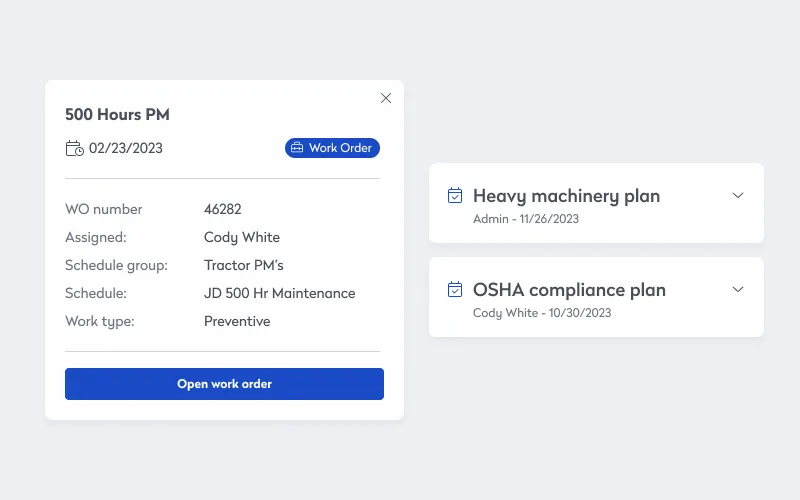
Defending essential property requires greater than figuring out them. You additionally want a course of that ensures high-priority work will get deliberate, scheduled, and accomplished earlier than reactive upkeep consumes obtainable sources. Efficient upkeep scheduling helps you align labor, components, and upkeep home windows across the property that create the best operational threat.
As upkeep maturity improves, your groups will usually spend much less time responding to emergencies and extra time finishing deliberate work that helps long-term reliability targets.
Keep in mind, consistency performs a essential function in sustaining these enhancements. Effectively-defined upkeep workflows assist standardize how work strikes from request to completion, making it simpler to prioritize essential duties, scale back delays, and keep execution requirements throughout shifts, departments, and amenities.
Standardize upkeep prioritization throughout amenities
The challenges are extra complicated for producers working a number of amenities. Completely different websites usually develop their very own upkeep processes, prioritization strategies, documentation practices, and asset classifications.
These variations make it tough to match efficiency, allocate sources, and establish alternatives for enchancment throughout the group. At this step, your purpose is total alignment.
Standardization creates a standard framework for:
- Asset criticality scoring
- Work order prioritization
- Preventive upkeep planning
- Downtime reporting
- Reliability metrics
- Upkeep efficiency critiques
After you have shared requirements, management groups have better visibility whereas serving to native upkeep groups make extra constant selections.
Create a single supply of reality for upkeep selections
As upkeep operations develop, data usually turns into scattered throughout spreadsheets, emails, paper data, and disconnected methods. Asset data stay in a single location, work orders in one other, and upkeep histories some other place totally.
The result’s restricted visibility into efficiency, inconsistent decision-making, and a major period of time spent monitoring down data as an alternative of performing on it.

A contemporary facility administration resolution helps you deliver asset data, upkeep histories, preventive upkeep schedules, inspections, work orders, and reporting right into a single platform. As an alternative of manually compiling data from a number of methods, upkeep leaders can see how property are performing, the place downtime is going on, which amenities face the best dangers, and the place sources can have the most important impression.
When upkeep, asset, and operational information all reside inside the similar system, groups throughout the enterprise achieve the visibility wanted to make higher selections about staffing, capital investments, upkeep priorities, and future planning. As an alternative of reacting to particular person failures, they’ll establish traits throughout the portfolio and take motion earlier than small points turn out to be expensive disruptions
See what occurs when preventive upkeep turns into proactive
A world producer managed a whole lot of property throughout complicated manufacturing environments, however paper-based inspections and fragmented upkeep data made it tough to keep up visibility into asset well being, standardize preventive upkeep actions, and help compliance necessities. [eptura.com]
To enhance effectivity, the producer digitized preventive upkeep and inspection workflows utilizing Eptura Asset. Groups applied standardized inspection templates throughout a whole lot of property, enabled cellular updates for technicians within the discipline, and gained higher visibility into upkeep efficiency by way of centralized reporting and dashboards.
The outcomes prolonged past upkeep operations. The corporate achieved 100% paperless preventive upkeep, improved audit readiness and compliance, and accelerated work order execution by way of automation. For a producer with greater than 1,300 workers supporting manufacturing operations, these enhancements helped scale back administrative burden whereas making a extra constant method to upkeep administration.
Find out how a world producer drives worth with digital preventive upkeep.
Continuously Requested Questions

By Jonathan Davis
As a content material creator at Eptura, Jonathan Davis covers asset administration, upkeep software program, and SaaS options, delivering thought management with actionable insights throughout industries similar to fleet, manufacturing, healthcare, and hospitality. Jonathan’s writing focuses on subjects to assist enterprises optimize their operations, together with constructing lifecycle administration, digital twins, BIM for facility administration, and preventive and predictive upkeep methods. With a grasp’s diploma in journalism and a various background that features writing textbooks, enhancing online game dialogue, and educating English as a international language, Jonathan brings a flexible perspective to his content material creation.